Yoga isn’t just a fitness routine—it’s a holistic practice that nurtures the mind, body, and spirit. Whether you’re looking to boost your physical health, manage stress, or cultivate inner peace, yoga offers something for everyone. But if you’re new to yoga or looking to deepen your practice, it can be difficult to know where to start.
In this blog post, we’ll explore the transformative power of yoga, why it’s beneficial for people of all ages and fitness levels, and offer some helpful tips for getting started.
What is Yoga?
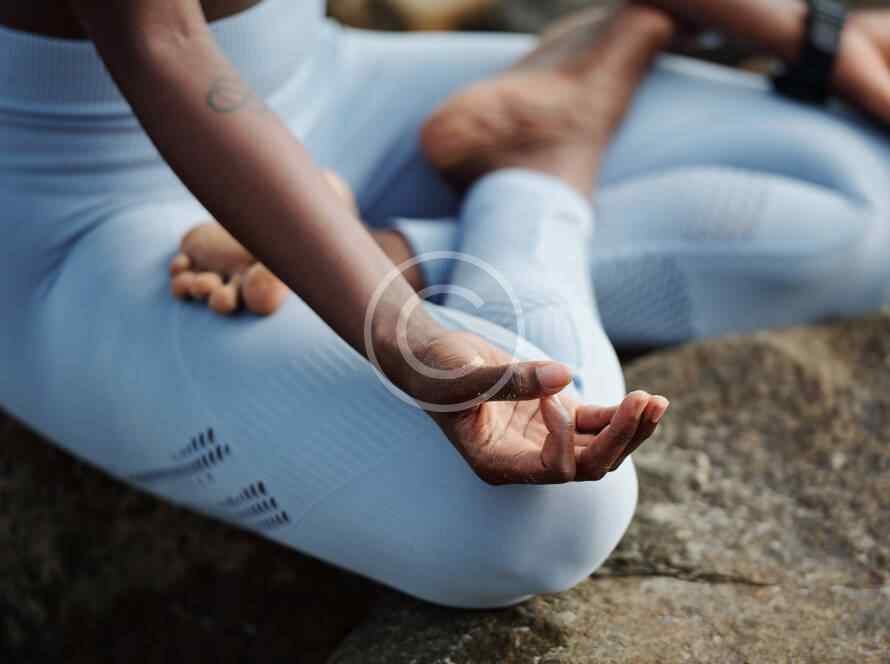
Yoga is an ancient practice that originated in India over 5,000 years ago. It involves physical postures (asanas), breathing exercises (pranayama), and meditation techniques that are designed to help balance the body, mind, and spirit. Yoga is often described as a way to connect with your true self and find harmony in all aspects of your life.
While there are many different styles of yoga, all forms share a common focus on mindful movement and breath. Whether you’re practicing a gentle, restorative class or a more vigorous vinyasa flow, yoga emphasizes the importance of staying present in the moment and cultivating awareness of your body’s sensations and your mind’s thoughts.
The Many Benefits of Yoga
Yoga is more than just a physical workout—it’s a lifestyle that offers numerous health benefits, from stress relief to increased flexibility. Here are just a few reasons why yoga is so popular:
1. Boosts Physical Health
Yoga is a full-body workout that improves flexibility, strength, and balance. Over time, regular practice can help:
- Increase muscle tone: Yoga poses engage multiple muscle groups, helping to strengthen both large and small muscles throughout the body.
- Improve flexibility: As you work through different postures, you’ll increase your range of motion, which can improve posture and reduce the risk of injury.
- Enhance balance: Many yoga poses require you to hold steady in different positions, which helps improve coordination and balance.
2. Relieves Stress and Anxiety
One of the biggest reasons people turn to yoga is for stress relief. Yoga encourages deep, mindful breathing, which helps activate the parasympathetic nervous system—the body’s “rest and digest” mode—leading to relaxation. Regular practice can help:
- Lower cortisol levels: Yoga helps reduce the stress hormone cortisol, which can otherwise contribute to anxiety and health problems when elevated over time.
- Improve mental clarity: By practicing mindfulness and focusing on your breath, yoga helps clear your mind, allowing you to be present in the moment and let go of anxiety.
3. Promotes Emotional Well-Being
Yoga isn’t just about improving physical strength; it also helps cultivate emotional resilience. Many people find that yoga provides a space to connect with their inner selves and manage emotions in a healthy way. Some emotional benefits include:
- Increased self-awareness: Yoga encourages introspection, helping you connect more deeply with yourself and become more aware of your thoughts and emotions.
- Improved mood: The endorphin release from physical activity combined with the relaxation from breathwork can help boost mood and promote an overall sense of well-being.
4. Enhances Focus and Concentration
Yoga encourages mindfulness—paying full attention to the present moment. This practice of awareness extends beyond the yoga mat and can improve your concentration in daily life. As you become more mindful during your yoga sessions, you’ll likely notice increased focus and mental clarity in other areas of your life, whether it’s at work, in relationships, or in personal goals.
How to Get Started with Yoga
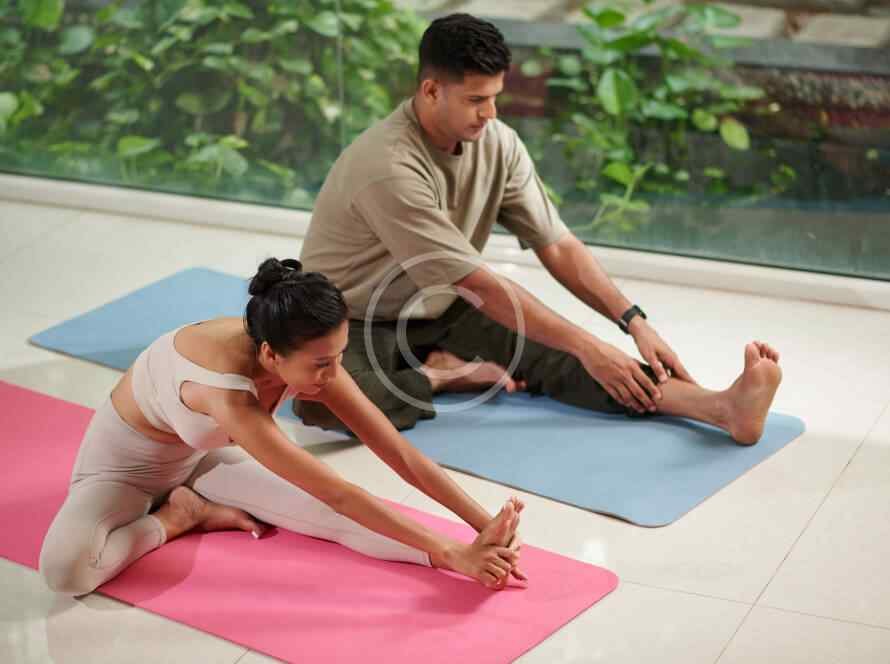
If you’re new to yoga, you might be wondering where to begin. The good news is that yoga is accessible to people of all ages and fitness levels. Here are a few tips for getting started:
1. Start with Beginner-Friendly Classes
If you’re new to yoga, it’s best to start with a class designed for beginners. Look for sessions labeled “Beginner,” “Introductory,” or “Gentle,” as these classes will focus on the fundamentals of yoga, such as alignment, breathing techniques, and basic poses. Many studios and online platforms also offer free or low-cost introductory classes, making it easy to try yoga before committing.
2. Invest in Comfortable Clothing
While you don’t need to buy fancy yoga gear to get started, wearing comfortable, breathable clothing is essential. Look for clothing that allows you to move freely and comfortably. Many people opt for leggings, stretchy pants, or fitted tops that won’t restrict movement.
3. Use Props When Needed
Yoga props—such as blocks, straps, and blankets—can make poses more accessible and help you achieve better alignment. If you’re working on flexibility or struggling with balance, props can offer support and help you get the most out of your practice. Don’t hesitate to use them until you feel confident and strong in a pose.
4. Focus on Breath
One of the key principles of yoga is focusing on your breath. Breathing deeply and mindfully throughout your practice helps calm your mind and deepen your stretches. Start by simply paying attention to the sensation of your breath as you move through each pose. Inhale deeply through your nose, filling your lungs, and exhale slowly through your mouth. When your mind wanders (as it often will), gently bring your attention back to your breath.
5. Listen to Your Body
Yoga is not a competition. It’s about listening to your body and honoring where you are in the present moment. If you feel discomfort or pain in a pose, back off and make adjustments. Over time, your body will become more flexible and stronger, but it’s important to avoid pushing yourself too hard. Yoga is about progress, not perfection.
What to Expect in Your First Yoga Class
If you’re attending your first yoga class, you might feel a little nervous or unsure about what to expect. Here’s a simple breakdown of what you can look forward to:
- Warm-up: Most classes start with a gentle warm-up to prepare the body for more intense stretches.
- Yoga Flow: Depending on the style of yoga, you’ll move through a series of postures, held for several breaths each. Some classes focus on more gentle poses, while others might include more active or challenging sequences.
- Cool-down and Meditation: At the end of most yoga sessions, you’ll spend time cooling down and relaxing your body. This often includes some restorative poses and a short meditation or mindfulness practice.
Conclusion: The Journey of Yoga
Yoga is a personal and transformative journey, one that nurtures your mind, body, and spirit. Whether you’re looking to improve your flexibility, relieve stress, or cultivate mindfulness, yoga offers something for everyone. By starting slowly, being kind to yourself, and practicing consistently, you can experience the many benefits yoga has to offer.
Remember, yoga is not about being perfect—it’s about showing up for yourself, on and off the mat.